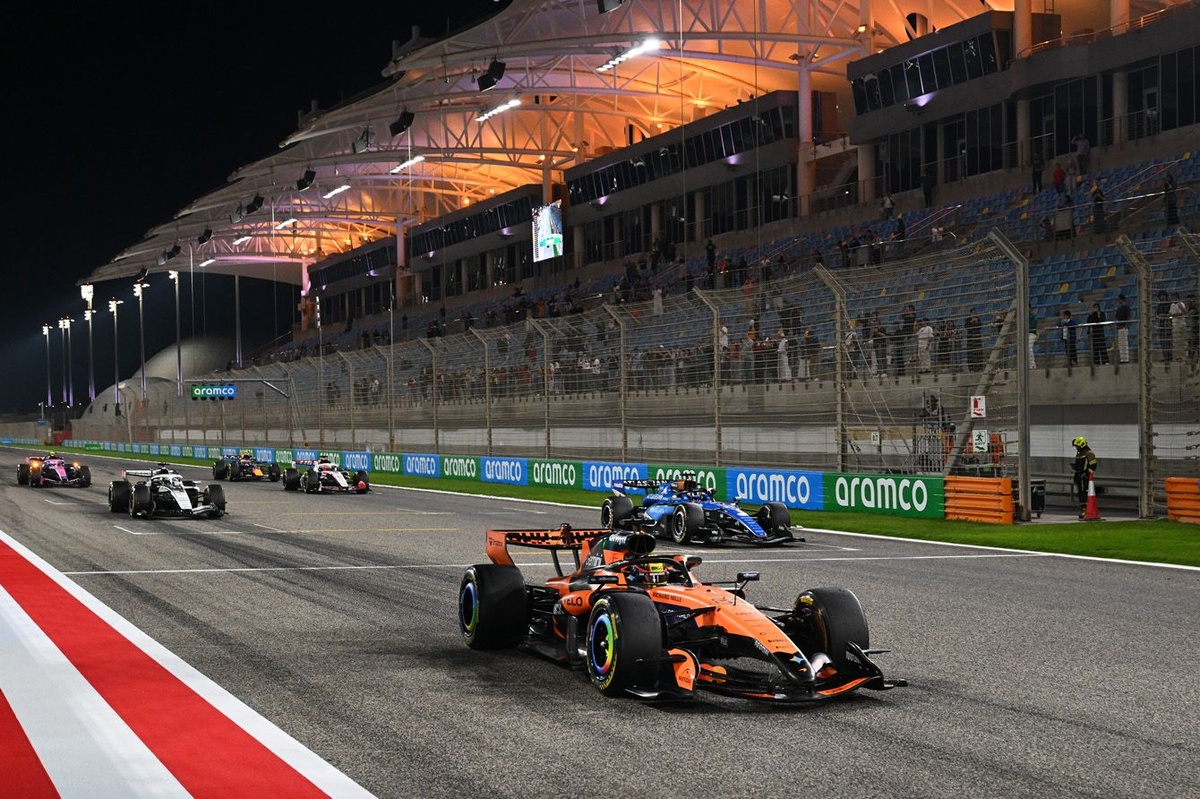
Starting a race in Formula 1 has always been a critical moment, but with the upcoming 2026 season, the process has become significantly more complex. The primary reason for this change is the introduction of new power units that alter how cars launch off the line, impacting both safety and performance.
Teams and drivers have expressed concerns that these new power units, designed to be more efficient and environmentally friendly, may introduce unpredictable behavior during the initial phase of the race. The increased complexity in managing power delivery during the start could lead to a higher risk of accidents or false starts.
One of the main factors contributing to this complication is the advanced hybrid systems integrated into the new power units. These systems require precise control and synchronization, especially during the launch phase when cars are at their most vulnerable. Any mismanagement or technical glitch could result in a poor start or even a collision on the grid.
Furthermore, the regulations surrounding the deployment of power during the start have become more stringent. Teams now need to carefully calibrate their systems to optimize acceleration while maintaining safety standards. This balancing act adds a layer of complexity that was less prominent in previous seasons.
Experts believe that these changes could lead to a more unpredictable race start, with potential for increased incidents and strategic variability. Some teams are investing heavily in simulation and testing to adapt to these new conditions, aiming to gain an edge in the crucial opening moments of the race.
Overall, while the new power units are expected to bring technological advancements and sustainability benefits, they also introduce new challenges for race management. The 2026 season may see a shift in how race starts are approached, with teams and drivers needing to adapt quickly to the evolving technical landscape.
As the season approaches, all eyes will be on how effectively teams can master these new systems and whether the increased complexity will lead to more exciting or chaotic race starts. The changes underscore the ongoing evolution of Formula 1, blending cutting-edge technology with the sport’s inherent unpredictability.